
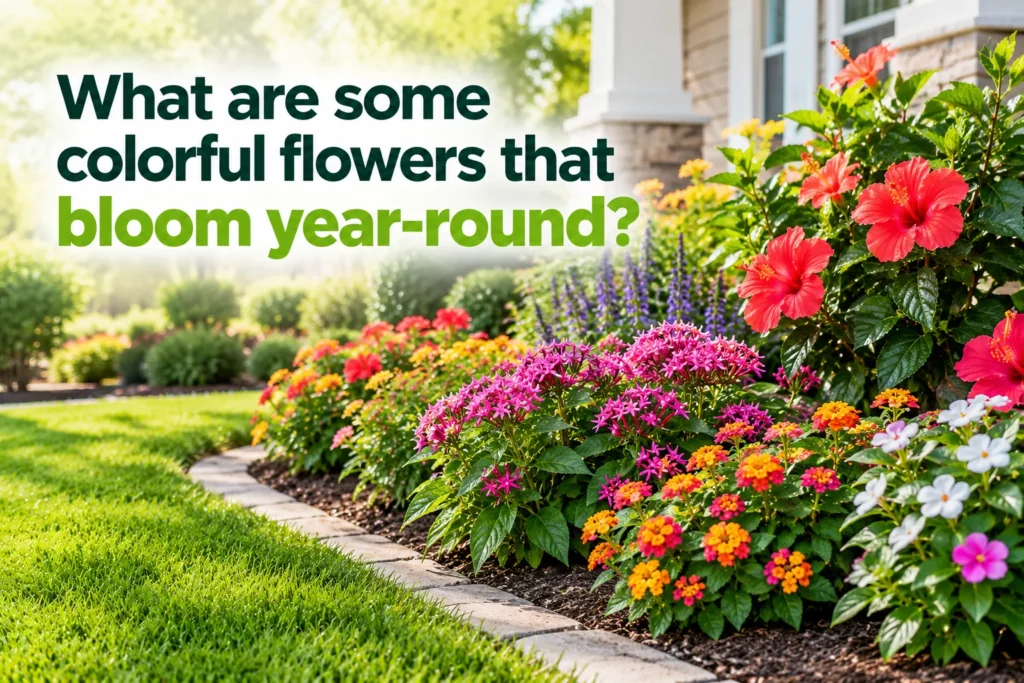
A vibrant garden can give the grass a refreshing touch and make it alive and welcoming. At the same time, the blooming period of most flowers is very short, leaving the garden beds dull during the off-flowering seasons. Fortunately, there are flowers that will add color to the garden beds throughout the year provided they have suitable climatic conditions, light, and other requirements. This means picking flowers that bloom all year round suitable for the specific climatic conditions. Flowers that bloom all-year round in some parts of the world will ensure almost constant blooming. Nevertheless, there is no plant that will bloom all-year round everywhere due to the factors that influence blooming.
1. Choosing Flowers for Year-Round Color
Ideal flowers to plant all-year round highly depend on the climate. While some flowers bloom even in winter in Florida, other areas will see the flowers cease blooming during colder seasons. The factors that gardeners need to consider include hardiness, sunlight availability, type of soil, amount of rain, and changing temperatures in specific seasons. There can be annual flowers which bloom quickly or perennial flowers which grow for several seasons. Nonetheless, blooming periods differ from plant to plant. Growing various types of flowers ensures a longer blooming period. This means that the aim is not to grow one flower that blooms throughout the day but ensure different flowers bloom at different times in the garden.
2. Lantana for Long-Lasting Color
Lantanas have gained popularity among gardeners who reside in hot regions due to their ability to produce small flowers that come in colors like yellow, orange, pink, red, and purple. This means that it can add vibrant colors to the landscape area and borders. Since lantanas have a fast growth rate, pruning would go a long way in ensuring their shape is maintained.
Lantanas can be a great choice for home owners who want year round blooming flowers for lawns.
3. Pentas Bring Color and Pollinators
Another good option is pentas, which can be helpful in warm climates. Their star-like flowers bloom in clusters, and they usually come in shades of pink, red, white, and purple. Due to their vibrant coloring, they can add some color to rather dull garden beds.
Pentas thrive in full sun. In addition to this, they like moist but well-draining soil. Flowering can take place for long periods provided that growing conditions are favorable.
Growing peonies draws butterflies and other insects to the area. They often visit peonies to drink nectar. Gardeners use pentas for borders, in containers, or as flowerbeds.
4. Vinca Offers Simple, Reliable Color
Tropical vinca will give flowers throughout warm seasons. Vinca flowers normally come in pink, purple, red and white varieties. In addition to colorful flowers, it also has glossy green foliage that is able to keep the plant visually attractive even when there are no flowers in bloom. Vinca is normally good for sunny spots. It is more tolerant to heat than many cool-season flowers.
Consequently, it is useful in warm summer gardens. Vinca is ideal for garden borders, container gardening and landscape planting beds. Its rather plain appearance is also complemented by other types of plants with various foliage.
For homeowners who seek year round blooming flowers for lawns, vinca may be a good source of reliable seasonal color if growing in warm regions. Of course, “year-round” will depend on local climatic conditions. With proper conditions, it will flower for a long time without special gardening efforts.
5. Hibiscus Adds Large, Bold Flowers
Hibiscus has the potential to be a dramatic focal point owing to its large and brightly colored flowers. These could come in many colors such as red, pink, orange, yellow and other colors. The tropical hibiscus thrives particularly well in the warmer parts of the region. This requires sunshine, watering and drainage of the soil. Where there is no frost, blooming could continue for extended periods of time. The hibiscus can be used as a specimen plant as well as part of larger beds.
The plant could be taken care of through regular care which would include watering, nutrition and pruning where necessary. Therefore, the plant choice has to match the climate in the region.
6. Low-Maintenance Flowers for Busy Homeowners
Not all gardens have to contain high maintenance plants. Actually, some gardeners want low maintenance year round flowers due to the fact that their schedules are very hectic and can interfere with regular gardening work. Nonetheless, low maintenance does not equate to lack of maintenance as every plant requires appropriate amounts of light, water, nutrition, and space.
Some pruning might also assist in maintaining their beauty. Moreover, mulching can be used to ensure the conservation of soil moisture and reduce the occurrence of weeds. Proper spacing is also important in order to allow the air flow. The use of various flowers in the garden can also assist in reducing the seasonal gaps.
7. How Flower Beds Stay Colorful Through Every Season
Knowing how to keep flower beds blooming all seasons starts with planning around bloom cycles. Different flowers naturally perform during different parts of the year. Therefore, combining plants with varied flowering periods can create a continuous display.
Spring flowers can provide early color, while summer plants can take over during warmer months. Fall-blooming varieties can then extend interest as temperatures drop. In warm regions, some plants may continue flowering through winter. However, colder areas usually require seasonal plant changes.
Professional planning can help homeowners create a balanced mix of plants. Professional lawn maintenance and planting services may also support seasonal planting, pruning, soil care, and flower bed maintenance.
8. Creating a Colorful Lawn and Garden Plan
For a successful garden throughout the year, mere colors provided by flowering plants are insufficient. For this reason, such elements as plant height, plant texture, exposure to sunlight, and full-size development need to be taken into account along with flower colors. Year-round gardening is facilitated by planning; therefore, bare spots are decreased due to overlapping flowering times of some plants.
For those people who wish to grow year round blooming flowers for lawns, it would be wise to pay attention not only to flowers but also to foliage. This would allow keeping garden beds attractive even during the season when fewer flowers bloom.
A Garden That Keeps Giving Color
Beauty of the landscape need not always come through one perfect flower. In fact, true beauty is achieved by selecting appropriate plants that grow well in the weather and selecting various flowering seasons. Lantana, pentas, vinca, and hibiscus flowers would be useful to bring about lasting colors in a region where they thrive. At the same time, proper planting will help to minimize any gaps in flowering and make gardening easier in each season. Rob’s Lawn Care may be approached for landscaping services, while proper plant selection would continue to be based on the regional conditions.
FAQs
1. Can flowers really bloom all year round?
Some flowers can bloom for most of the year in suitable climates. However, no flower blooms continuously in every location. Temperature, sunlight, and plant variety all affect flowering.
2. What flowers bloom for the longest time?
Lantana, pentas, vinca, and some salvias can have long flowering periods. Their performance depends on climate and growing conditions.
3. Are year-round flowers difficult to maintain?
Not necessarily. Many plants need only basic watering, trimming, sunlight, and suitable soil. Climate-adapted varieties often require less ongoing care.
4. How can flower beds stay colorful throughout the year?
A mixture of plants with different bloom periods can extend garden color. Seasonal planting also helps replace flowers when earlier varieties finish blooming.
5. What should be considered before planting year-round flowers?
Sunlight, soil drainage, temperature, rainfall, plant size, and maintenance needs should all be considered. Local climate conditions should guide final plant selection.